
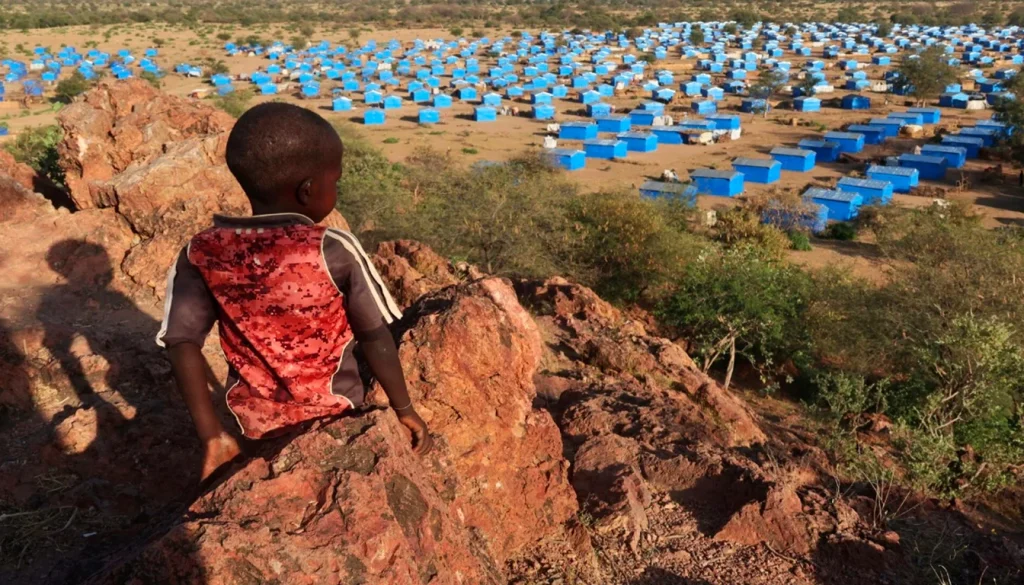
Sudan faces an ongoing hunger crisis, and the World Food Programme (WFP) has seen a major funding drop that may hinder its operations in a country where many people face acute food insecurity.
Funding for WFP in Sudan has dropped to about $206 million compared to $645 million in 2021. WFP needs about $300 million to continue its operations. Acting WFP executive director, Carl Skau, said the funding crisis is posing a huge challenge to operations as serious as the ongoing war.
The food security situation in the country is alarming. More than 21 million people are suffering from acute food insecurity, according to the latest analysis of the food security situation in the country, while some areas of the country experience famine.
Almost 49 Million of Sudanese Suffer from Hunger
The food crisis in Sudan has become the result of the war between the Sudanese Armed Forces and the Rapid Support Forces that started in April 2023.
It has negatively affected farming and infrastructure, and caused increased food costs, as well as hampered humanitarian assistance to the country. The latest findings showed that about 19.5 million people faced the highest level of acute food insecurity this year, and the situation is expected to deteriorate in several regions.
WFP can currently assist about four million people per month; however, due to a lack of funding, it can focus assistance only on five million people who are in the most critical condition. People in some regions receive limited amounts of food.
Famine Conditions Spread in Some Regions
The most difficult situations arise in conflict-affected regions, especially in Darfur and Kordofan.
El Fasher and Kadugli regions suffer from famine conditions; several other regions are at risk of facing famine conditions.
The crisis is also affecting children in an especially dire way. The number of children under the age of five who will experience severe acute malnutrition in 2026 is estimated at 825,000 according to the most recent assessment of food security.
Sudan’s Displacement Crisis Intensifies Hunger
The hunger crisis is further exacerbated by one of the largest displacement crises in the world.
Up to 14 million people have been displaced by the ongoing conflict, Reuters reports. They have been deprived of access to agricultural lands, markets, employment and basic services; hence, they are now highly reliant on humanitarian assistance.
According to WFP, another factor affecting the Sudan hunger crisis is the disruption of trade corridors in the region. Issues related to the Red Sea are delaying shipments and raising the price of food, fuel, and fertilizers.
What Will Happen If The Funding For WFP Gets Short?
The first thing to be concerned about is that any cut in funding would require humanitarian organizations to lower the level or quality of help in a situation when their needs are growing.
WFP has reported a funding shortfall of about $300 million. Otherwise, there will be millions of people in need of help with food, cash, and nutrition programs.
However, this crisis is not limited to food problems only. Humanitarian organizations face funding shortages and may fail to assist the country in solving the problems of displacement, malnutrition, and illness.
Sudan Crisis: The Latest Developments You Need to Know
Could Sudan Face a Nationwide Arms Embargo?
Check out how the proposed UN arms embargo could reshape Sudan’s conflict.
Why Is Washington Increasing Pressure on SAF?
Find out why chemical weapons claims could trigger stronger US action.
How Are Power Cuts Affecting Sudan?
Uncover how worsening electricity shortages are disrupting everyday life amid war.
What Does the Saudi Customs Trail Reveal?
Browse the questions surrounding a military-modified vehicle linked to Sudan.
Who Was Behind the UN Peacekeepers Attack?
Reveal who may be responsible and what could happen next.
