
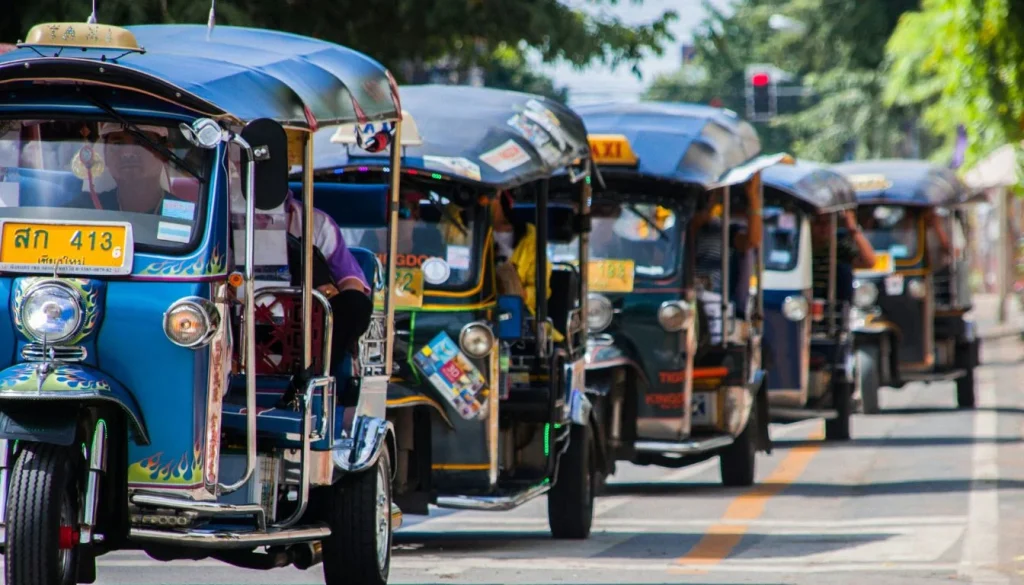
Across Zimbabwe, hundreds of rural women now face more hurdles due to stricter enforcement of rules for electric tricycles. Zimbabwe Tuk-Tuk Crackdown, These handy tricycles were initially a hit, offering a way to move farm stuff, buy groceries, and even get people to hospitals when it’s an emergency. But now, there’s trouble between the police, government groups, and the female biz owners who operate these vehicles.
Why Are Authorities Cracking Down on E-Tricycles?
In the Manicaland Province, the issues are extra rough. The tuk-tuks play a key role in day-to-day life out there. Yet authorities are making moves to tighten controls. In Zimbabwe, e-tricycles fall under the same bike laws that demand operators get themselves:
- A legal driving licence
- Their vehicle registered
- Permission to be on the roads
- Insurance
Early in 2025, the cops stepped up their game, confiscating vehicles and handing out fines for non-compliance. It’s turning what a great solution was into a real struggle for many women trying to make ends meet.
Problem With Current Regulations
Current laws, many operators say, don’t make the distinction between regular motorcycles and slower electric tricycles. Most rural e-tricycles go about 25 km/h and use rechargeable batteries. They mainly help out in farming areas and are for getting around locally, not on highways.
The thing is, using big-car rules for these little electric trikes makes things way harder for people who don’t make much money. To follow all the vehicle rules, you’d need a license, registration, and insurance, costing nearly $500 a year – not easy for someone with a small income.
And there are more worries. If you get caught not having the right paperwork, you could face a $15 fine or even have your bike taken. If you want it back, you might owe another $90 just to retrieve it.
Impact on Rural Communities
This hurts the community, too. Many riders use these trikes to support their whole family. In the past, some made up to $250 a month. Now, strict enforcement means e-tricycle riders have shorter hours and live in fear of police stops.
Our communities depend on e-tricycles to haul farm produce to transport hubs. These hardworking vehicles move tomatoes, onions, groceries, and supplies. When transport is tough to find, local farmers and supply chains suffer big time.
But these e-tricycles serve another crucial purpose too. In many rural areas, they serve as emergency transport for pregnant women, elderly residents, and sick patients. This is extra crucial because of ongoing ambulance shortages in certain districts.
Calls for Regulatory Reforms
Operators and advocacy groups are pushing for the government to create specific regulations for low-speed electric vehicles. Some key requests include lower registration fees and simpler licensing requirements. Plus, they’d like special exemptions for rural operators and legal recognition of electric tricycles as a distinct vehicle category.
Though several proposals have been submitted to government ministries, meaningful changes haven’t shown up yet, according to operators. The
Conclusion
Zimbabwe’s e-tricycle crackdown is now more than just a transportation issue. It’s morphed into a debate about rural development, women’s economic involvement, and regulating new types of green transportation. Until reforms happen, many operators will be stuck choosing between high compliance costs they can’t pay or letting their family-dependent businesses fail.
Discover More Insights
Why South Africa Faces Record Joblessness?
Explore how South Africa’s unemployment crisis is hitting record highs and what it means for the country’s economic future.
Why Ghana Youth Reject Free Rice?
Discover why Ghana’s youth are rejecting aid and demanding sustainable job opportunities instead.
Which Freelancing Platforms Work Best Africa?
Check the top freelancing platforms offering real income opportunities for Africans in 2026.
Why Africa’s Middle Class Still Struggles?
Explore how economic growth is failing to deliver stability for Africa’s expanding middle class.
How Nigerians Can Earn Dollars Online?
Discover practical ways Nigerians are earning in dollars and boosting their income in today’s digital economy.
